
Sprouting Magic in Mason Jars: A Beginner’s Guide
The Garden Revolution

Sprouting Magic in Mason Jars: A Beginner’s Guide
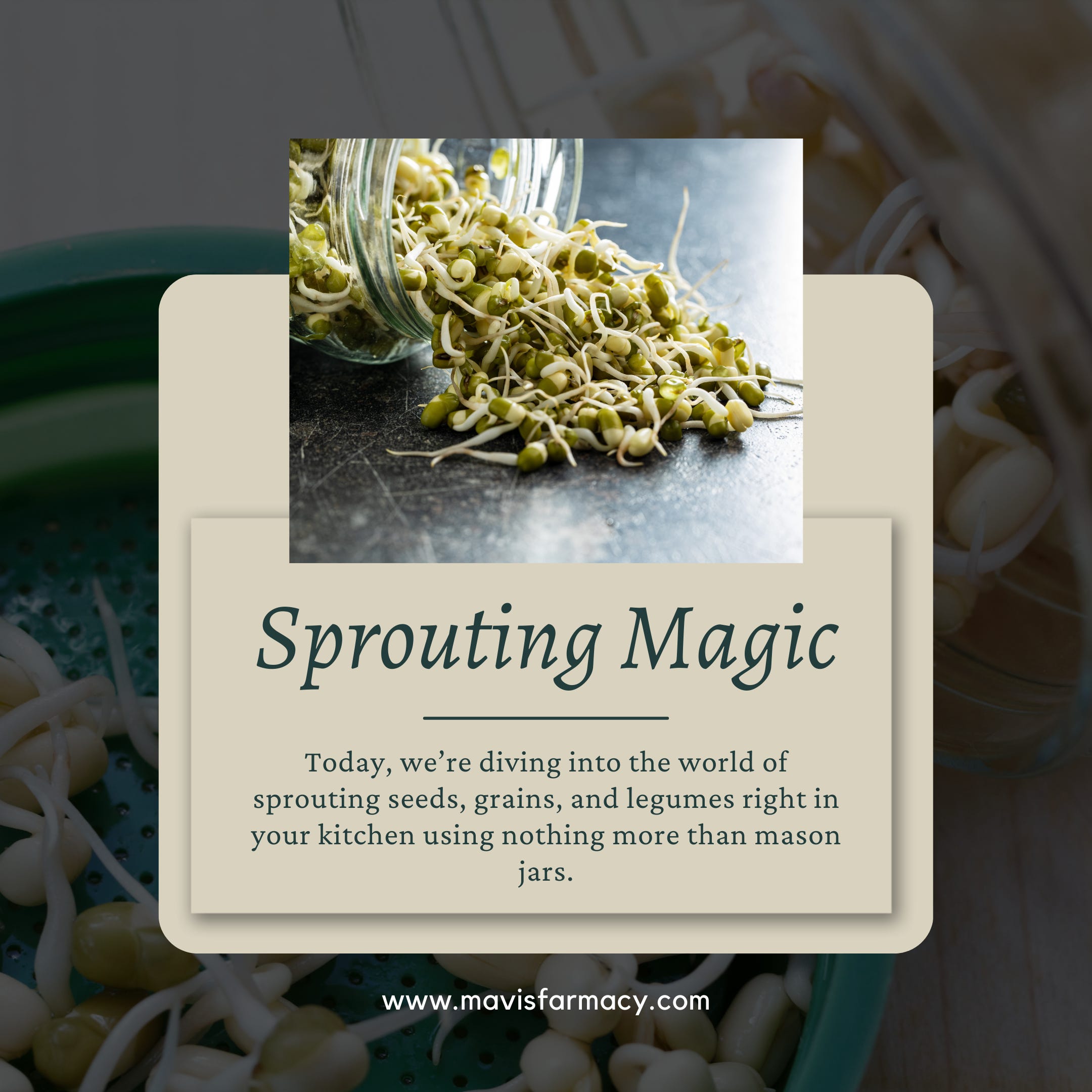
Hey y’all, it’s Doc here, ready to take you on a little journey that’s as exciting as finding a hidden patch of morel mushrooms in the Appalachian woods. Today, we’re diving into the world of sprouting seeds, grains, and legumes right in your kitchen using nothing more than mason jars. It's a simple, cost-effective way to boost the nutritional value of your food. Plus, it’s as easy as pie and twice as nutritious!
Why Sprout in Mason Jars?
Sprouting ain’t just for the health nuts; it’s for anyone looking to add a burst of nutrients and flavor to their meals. Here are a few reasons why you might want to give it a go:
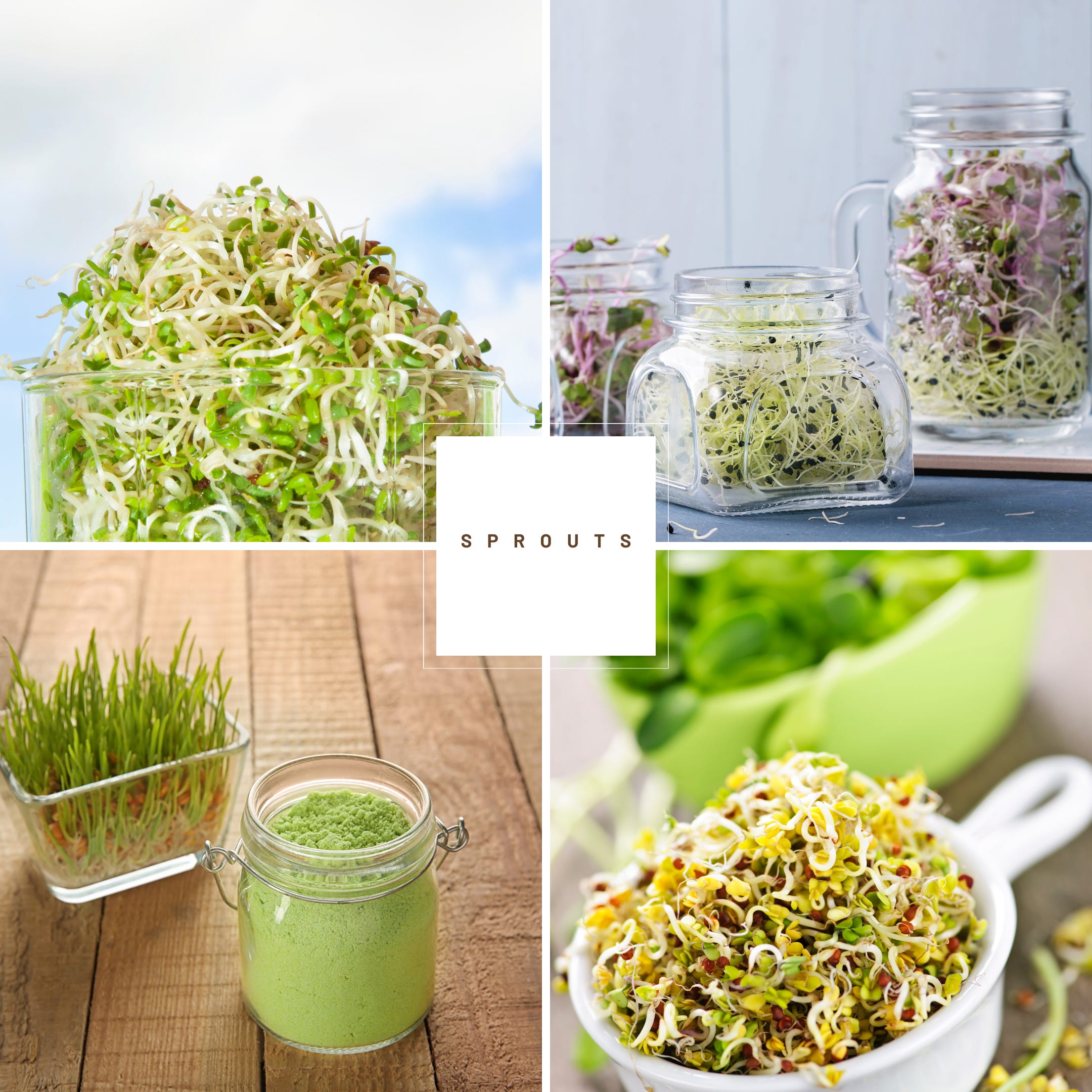
Nutritional Boost: Sprouting can crank up levels of vitamins C, B, and K, not to mention minerals and essential amino acids. It’s like giving your food a supercharge.
Digestibility: Ever feel a bit gassy after a bean feast? Sprouting breaks down those complex sugars and anti-nutrients, making legumes and grains more gut-friendly.
Enhanced Bioavailability: This fancy term just means your body can absorb more of the good stuff from sprouts than it can from their unsprouted kin.
Sustainability on a Shoestring: Got a window sill? Got a mason jar? Then you’ve got yourself a garden. Sprouting requires minimal space and investment but delivers a bountiful harvest.
Flavorful Variety: Sprouts can add a unique taste and crunch to your dishes, from salads to smoothies.
Best Seeds for Sprouting Rookies
Now, if you’re thinking, “Doc, all this sounds great, but I wouldn’t know where to start,” well, I’ve got you covered. Here are some seeds that even a sprouting greenhorn can handle with ease:
Alfalfa: These sprouts are as mild as a morning breeze on the porch, making them perfect for salads and sandwiches.
Broccoli: Known for their health benefits, broccoli sprouts pack a bit of a peppery punch.
Lentils: Quick to sprout and deliciously nutty, lentils are a great way to dip your toes into the sprouting world.
Mung Beans: These are the sprouts you often see in Asian cuisine. They’re crunchy, sweet, and sprout so easily, they practically grow themselves.
Getting Started
You’ll need a few basics to get sprouting: a clean mason jar, a piece of cheesecloth or a sprouting lid, and some seeds. Start by soaking your chosen seeds overnight to wake them up from their slumber. The next morning, drain the water, rinse the seeds, and set your jar in a well-lit spot, but not in direct sunlight. Rinse and drain again a couple of times a day. In about 3-5 days, you’ll be harvesting your very own sprouts.
Remember, the journey of a thousand meals begins with a single sprout. So, why not give it a try? It’s a small step towards self-reliance and a giant leap for your health. Plus, it’s a heap of fun. Until next time, keep your garden green and your pantry full.
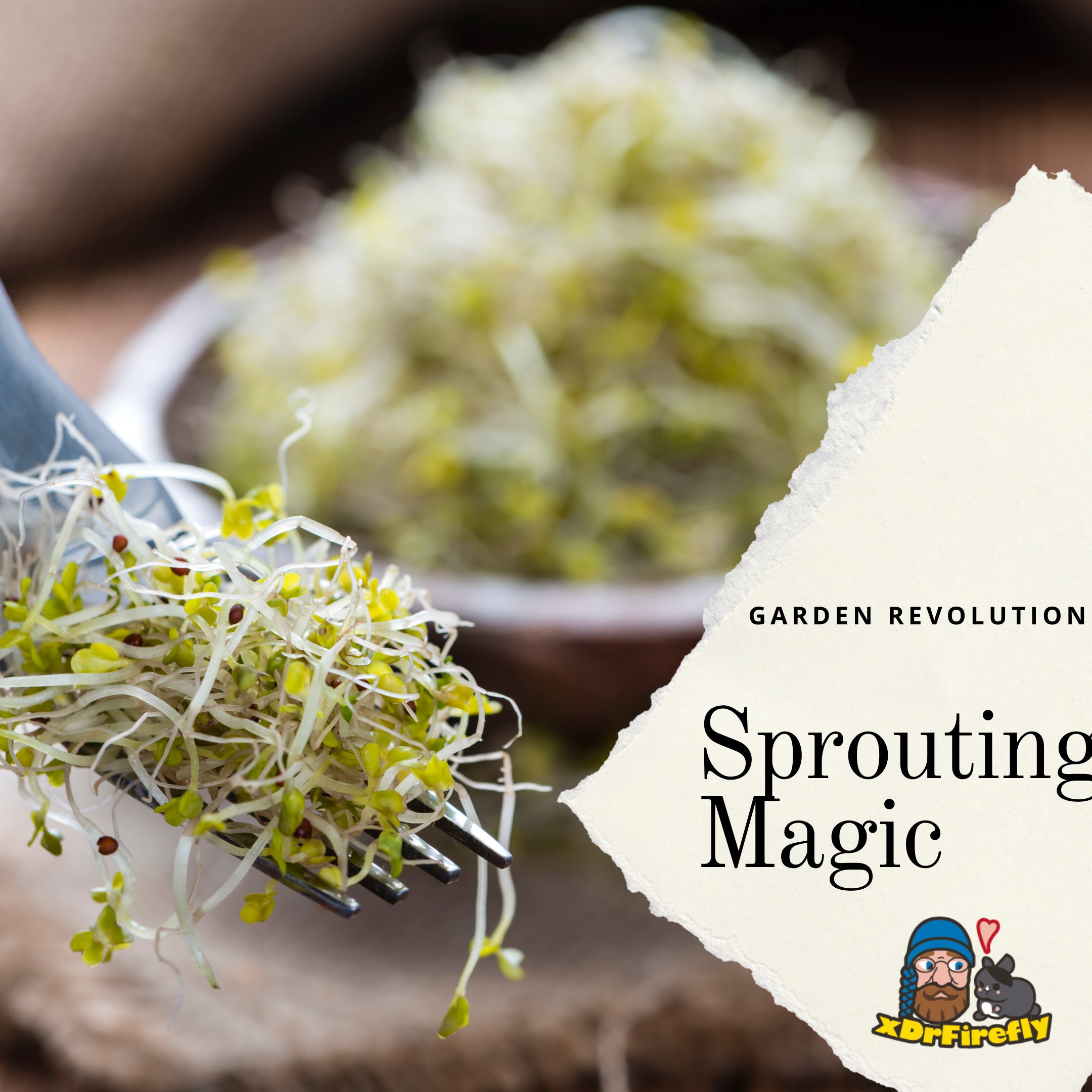
For more tips on living the good life, naturally, visit our website @ The Mavis Farmacy
and catch my educational streams at https://www.dlive.tv/xdrfirefly. Happy sprouting, folks!